A home that ages well does more than hold its value. It stays comfortable through seasons, keeps its functions simple, and gives you fewer reasons to call a contractor. When a master developer pairs that philosophy with the right address, you end up with something that attracts families, investors, and design purists alike. Sobha Sanctuary Townhouse and Villas, often referred to as Sobha Sanctuary Villas at Dubailand, appears to aim for exactly that blend: timeless design and a location that eases daily life instead of complicating it.
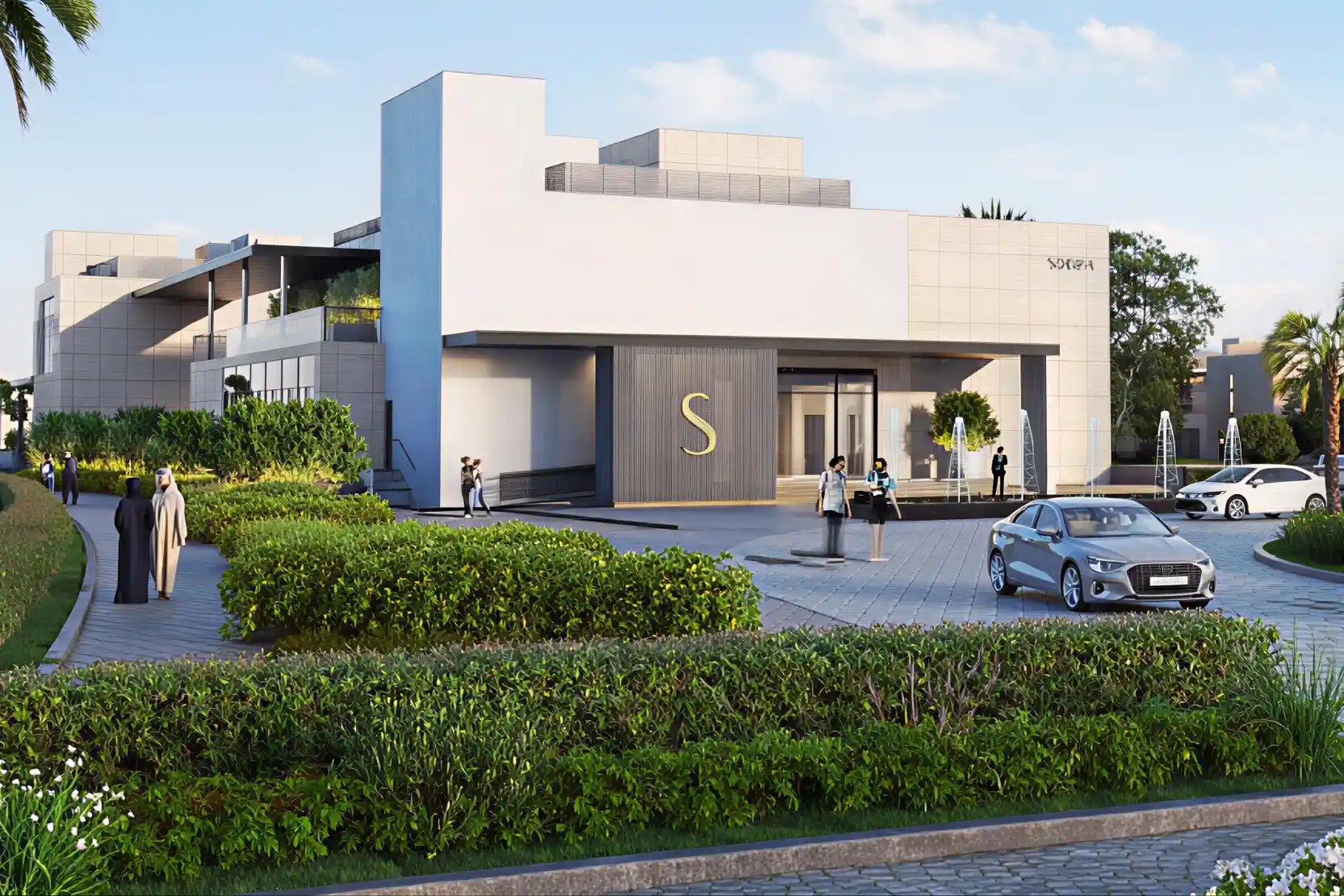
Where the project sits, and why that matters
Real estate brochures love grand claims about connectivity, but the useful questions are always practical. How long is the drive to key schools during rush hour? Can a two-car household handle morning commutes without turning into a daily negotiation? Does the area have enough built environment to support a routine grocery run, or are you buying a lifestyle postcard?
Dubailand has matured into a web of neighborhoods with real services. The area benefits from arterial roads like Sheikh Mohammed Bin Zayed Road and Al Ain Road, which sounds technical until you look at travel times. With ordinary weekday traffic, expect a drive time in the 20 to 30 minute range to Downtown Dubai, Business Bay, or Dubai Marina. Dubai International Airport can be reached in roughly the same span. These are averages, not promises, and a Friday morning will feel different from a Monday evening. The broader point stands: the project sits near the city’s spine rather than at an isolated edge.
On the ground, this location also benefits from the ongoing infill of daily-use pieces. Supermarkets, neighborhood clinics, nurseries, casual dining, gyms, and salons are no longer speculative. They are operational in the wider Dubailand catchment. Families who tried to make life work in earlier greenfield phases of Dubai will understand what a change this is. It means fewer cross-city trips for essentials, and that usually translates into higher resident satisfaction after the novelty of a new home fades.
What “timeless design” really means in Dubai’s climate
Timelessness gets thrown around until it becomes meaningless. In practical terms, a timeless home in the Gulf should do three things: protect against heat without feeling sealed, age without looking dated, and remain easy to maintain. Sobha Sanctuary Villas and the broader Sobha Sanctuary Townhouse and Villas concept show that logic in the details.
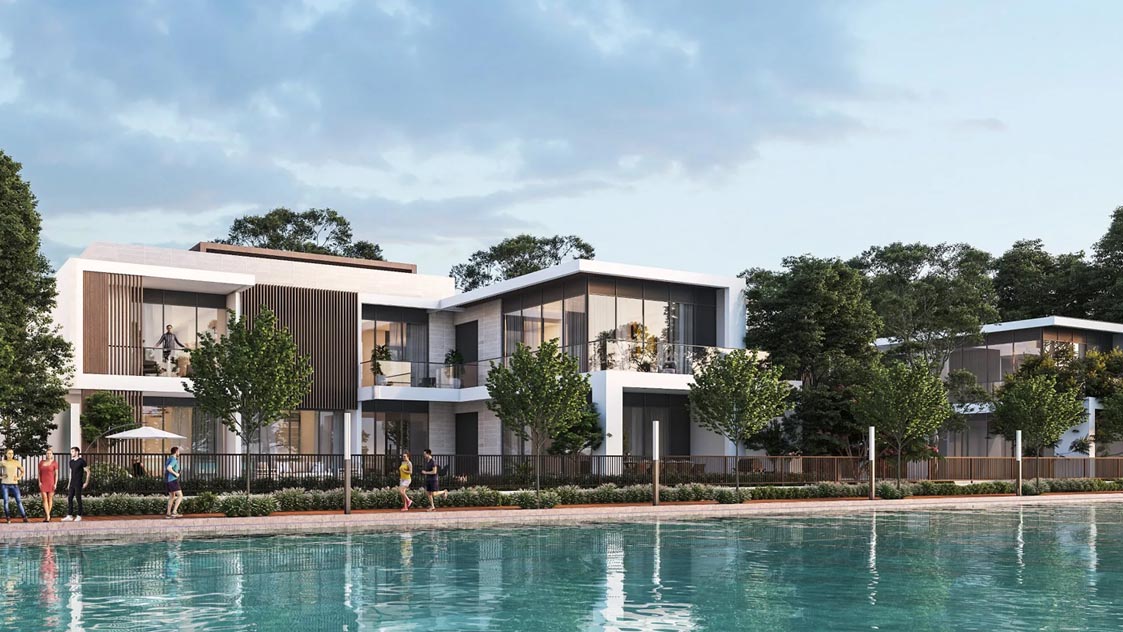
The massing tends toward clean lines, well-proportioned facades, and limited ornamentation. That makes sense here. An overly fussy exterior tends to date quickly, while simple, well-balanced volumes age with grace. Color palettes stay within neutral, desert-friendly tones that hide dust better than stark whites. Where dark accents appear, they’re usually used as controlled contrasts rather than dominant choices.
Shading is the unsung hero. Deep terraces, recessed windows, and generous overhangs reduce solar gain, which is not a stylistic flourish so much as a monthly utility decision. In villas that I have seen from Sobha’s newer portfolio, double glazing is the norm, and window placement avoids the mistake of unprotected west-facing glass. Throughout the day, the homes rely on shade to do part of the cooling work, so air conditioning doesn’t have to do all of it. If you have lived through Dubai summers, you know how quickly design mistakes show up in the DEWA bill.
Inside, the layouts often aim for clear sightlines that extend rooms visually instead of carving them up. Open-plan living areas that can be partially zoned with furniture help a family adjust the space as kids grow or parents’ routines change. Kitchens are designed as functional hubs rather than showpieces you hesitate to use. This matters more than most people admit. Homes that look lovely in staged photos but fail on cooking workflow cause frustration in year two. A timeless kitchen can take the wear: heat-resistant surfaces, durable cabinet hardware, and ventilation that actually moves air out, not just around.
Flooring selections tend toward large-format porcelain or similar materials that handle sand and water without drama. Timber appears as an accent rather than a dominant surface, which suits the climate and maintenance realities. Bathrooms lean toward calm palettes with good lighting and storage you can access without a yoga pose. None of this sounds glamorous, and that is the point. Timelessness rarely announces itself. It is the absence of later regrets.
Understanding the mix: townhouses versus villas
Sobha Sanctuary Townhouse and Villas clearly acknowledges two buyer profiles. One wants a fairly compact, low-maintenance home with enough bedrooms to suit a growing family and a small garden that feels private. The other wants drive-up presence, larger plots, and the breathing room and control that come with a villa.
Townhouses, typically arranged in neat rows with controlled facades, focus on efficient vertical layouts. Think three to four bedrooms over two or three levels, private parking, and a backyard just large enough for a seating area, barbecue, and possibly a plunge pool if you choose to retrofit later. For end-user families, the sweet spot lies in homes that can flex. A secondary living area that can turn into a study, a ground-floor bedroom for visiting parents, and storage that doesn’t cannibalize living space are all small factors that improve daily life. Townhouses also tend to have a more predictable service cost profile because external maintenance is streamlined.
Villas skew here larger. Sobha Sanctuary Villas at Dubailand aims to deliver generous floorplates, multiple living zones, and bedrooms that feel like destinations rather than doorways. Plot sizes vary by sub-community, but the important thing is proportion. A villa where the built-up area overwhelms the garden becomes a maintenance obligation without the outdoor reward. Conversely, too much garden with too little shading becomes underused except in shoulder seasons. The better villas balance covered terraces, lawn, and hard landscaping. If you plan to add a pool, check setbacks and utility corridors before you fall in love with a layout.
Across both product types, parking and access matter more than sales brochures admit. A driveway that fits two cars without tight maneuvers reduces daily friction. Thoughtful service access to the kitchen from the parking area simplifies grocery runs and deliveries, and it keeps mudrooms or secondary entries from becoming clutter magnets. When developers get these basics right, the homes feel smarter even before you notice premium finishes.
The developer’s hand
Sobha’s name carries weight for a reason. Across multiple projects, the developer has pushed for higher standards in joinery, tiling, and fit-out consistency. That does not mean every unit is perfect, but it does mean that punch lists on handover tend to be shorter and more straightforward than the Dubai average. Perhaps more importantly, structural and MEP engineering choices often reflect longer-term thinking. A quiet HVAC system that cycles properly and a hot water loop that delivers within a reasonable delay save irritation every single day.
Does that quality carry a premium? Usually yes. Buyers often face a simple equation: pay more upfront and spend less time and money patching things later, or pay less now and accept a higher maintenance footprint. In my experience, the premium at handover is offset by fewer after-market fixes in the first five years, along with generally better resale perception. Resale buyers look for known quantities, and developer reputation is a quick proxy for risk.
Amenities that serve residents, not marketing copy
Communal facilities in Dubai residential communities typically follow a now-familiar pattern: pools, gyms, parks, kids’ play areas, sports courts, and sometimes a clubhouse or retail node. The difference lies in the execution. A lap-friendly pool that actually allows adults to swim a set is rare. A gym with daylight, good ventilation, and enough floor space to avoid collisions during peak hours matters more than branded equipment. Pocket parks placed within a short walk of most front doors build a sense of everyday community. Families will use them if they are shaded and safe, not because a brochure lists them.
Sobha Sanctuary Villas and the wider townhouse offering seem to balance privacy with community. Fencing heights, planting densities, and pathway placement all influence whether neighbors interact naturally or feel exposed. Well-planned communities make it easy to exchange a hello without forcing social time. They give children safe short routes to play areas, and they reduce the need to drive within the neighborhood for simple errands.
Retail and F&B within the master plan or just outside it function as release valves. The convenience of a decent coffee within a 10-minute walk on a Saturday morning reshapes how you use a place. Not every villa community needs a high street, but being near a cluster with a supermarket, pharmacy, and two or three reliable eateries goes a long way. Dubailand’s growth has steadily filled these gaps. If you are buying off-plan, check what is under construction nearby, not only what is promised within the project.
Daily life test: morning to evening
The best way to judge a home is to run a day through it. Picture a weekday. Mornings start in a kitchen built for function: enough counter depth for a coffee machine and toaster without crowding, drawers that close cleanly, and a pantry large enough to reduce last-minute runs. The garage entry leads past a utility or mudroom where school bags and gym gear live. That avoids the pile that builds near front doors.
Midday, natural light should fill the main living area without the glare that sends you hunting for blinds. If you work from home, a secondary room or an alcove that can be closed off for calls becomes essential. I always check sound carry between floors: lightweight partitions with minimal insulation create an echo chamber, while solid walls and dampened door frames keep noise in check. Sobha’s better homes lean toward the latter, which matters if you have kids napping upstairs.
Evening routines bring outdoor spaces into play. Covered terraces turn into the third room for at least six months of the year. If the outdoor lighting is warm and correctly positioned, you use the space more. If it is harsh or placed poorly, you won’t. Gardens need irrigation systems that do not overwater and stain exterior walls with runoff. Look for discreet drain lines and access points for maintenance. These small clues tell you whether the landscaping will stay neat without weekly intervention.
Energy efficiency, quietly done
Very few buyers lead with kilowatt-hour calculations, but everyone cares about monthly bills. The homes in Sobha Sanctuary Townhouse and Villas, from what the brand usually delivers, incorporate practical efficiency measures that blend into the architecture. Double or low-E glazing reduces heat transfer, while proper roof insulation protects against the strongest gains. Shaded facades do the rest. Mechanical systems, especially chilled water or VRF-based solutions where used, moderate indoor temperatures with less noise and fluctuation. Water-saving fixtures that do not feel stingy avoid the common complaint of weak showers. Over a year, the combined effect is hard to ignore.
If you have the option to add solar, it is worth asking early about roof structure loads, inverter placement, and homeowners’ association guidelines. Some communities now encourage solar retrofits, while others restrict visible panels. Clear rules up front save you expense later.
The investor’s lens
Investors look at three things in sequence: price per square foot or meter, achievable rent, and resale liquidity. Sobha Sanctuary Villas at Dubailand sits in a price band that aims above the mass market but below the most exclusive enclaves. That creates an interesting rental story. Families who want a quality build and a newer home but cannot or do not want to pay peak Palm Jumeirah or Emirates Hills rates often look to Dubailand. The tenant pool tends to be deep enough to keep vacancy reasonable, provided the unit is presented well and priced sensibly.
On rent, furnished versus unfurnished is a strategic choice. For villas and larger townhouses, unfurnished usually pulls longer tenancies, lower wear, and fewer callouts. For smaller townhouses, a tasteful furnished package can shorten void periods. The spread between best-case and average rents can be 10 to 15 percent in either direction, depending on seasonality and presentation. Professional photography, a spotless handover, and flexible viewing times still matter more than a gimmick.
As for resale, developer track record and community upkeep drive outcomes. Sobha’s branding and quality control typically translate into a tighter spread between ask and achieved price during resales compared with lesser-known names. Liquidity improves once the community matures and services fill in around it. If you plan to sell inside the first two years, factor in the friction costs and be realistic about premiums claimed at launch. If your horizon is five to seven years, the blend of location, quality, and growing neighborhood infrastructure tends to reward patience.
Practical due diligence before you commit
Buyers do best when they behave like building inspectors for a day. In a hot market, that feels countercultural, but it saves headaches. Here is a concise checklist that helps you separate signal from noise.
- Walk the site during late afternoon to check western exposure, glare, and shade patterns. Stand on terraces and in main living areas while the sun is low. Open and close every door and cabinet in a show unit or ready home. Check for soft-close hardware, alignment, and any rubbing at thresholds. Ask for MEP specifications in writing: insulation values, glazing type, HVAC system brand and capacity, and water heater setup. Note service access points. Map drive times during peak and off-peak hours to your most frequented destinations. Do at least two real runs if possible. Clarify homeowners’ association fees, what they cover, and the escalation mechanism. Compare with two nearby communities of similar scale.
Design touches that age well
After years of walking through villas that tired quickly, a few elements prove their worth again and again. Window heights that align across rooms create coherence. Corners with glass meeting glass can dazzle in a showroom, but sealed, framed corners with proper shading perform better long-term. Staircases that feel safe and comfortable, with decent riser heights and solid handrails, reduce day-to-day strain. Simple door profiles, quality hinges, and a restrained hardware palette stay relevant, while overdesigned motifs date within a cycle or two.
In bathrooms, wall-hung vanities with good access for plumbing maintenance reduce downtime when something eventually leaks, and something always does. Niches sized to standard bottle heights look unimportant until you live with them. Adequate socket placement near mirrors, with proper RCD protection, avoids extension cord improvisations. These are the kinds of choices that speak to a developer testing their own designs in the field.
Community feel versus privacy, the balancing act
One risk in master-planned living is over-scripting. A neighborhood can tilt too far into curated events and common areas that never quite achieve organic use. Sobha Sanctuary Townhouse and Villas seems to aim for a lighter touch. Pathways that encourage incidental encounters, parks sized for casual play instead of programmed activities, and clubhouse spaces that support a range of uses without enforcing a single culture all help residents shape their own rhythms.
Privacy is preserved with landscaping density and smart sightline management. A ground-level living room should not place you in a fishbowl. High windows, clerestories, and careful hedge placement give you the option to open blinds without feeling on display. For end units in townhouse rows, setbacks and corner window placements matter more. It is worth walking a proposed block to see how neighboring windows align.
Construction and handover timing
No off-plan buyer enjoys uncertainty. The best developers communicate delays early and clearly, and keep on-site momentum visible. Sobha’s delivery record is stronger than average, though no one in Dubai is immune to supply chain hiccups or permit lag. If you are buying off-plan, read the sales and purchase agreement clauses for delay penalties, grace periods, and defect liability terms. For ready stock, take time to perform a snagging inspection with someone who knows how to spot issues: misaligned tiles, hairline plaster cracks at stress points, inadequate silicone seals in wet areas, and inconsistent AC airflow at vents are common finds. A good developer fixes these with minimal fuss before you move in.
Who should buy here, and who should think twice
If you value build quality and plan to hold for a full cycle or longer, Sobha Sanctuary Villas at Dubailand aligns with that mindset. Families that want a calm base with predictable maintenance and convenient city access will find the equation persuasive. If you enjoy hosting outdoors and want a community where public spaces feel safe and well kept, the map and amenities align.
If your priority is a beachfront lifestyle, a high-visibility social scene, or walking access to metro stations, this is not the right address. If you are a speculative buyer banking on a fast flip with double-digit gains in a short window, timing risks increase. The project’s strengths play out in lived experience and steady performance rather than headline-grabbing surges.
A measured verdict
Good residential design is a thousand small decisions made in the right order. Sobha Sanctuary Townhouse and Villas reflects a developer that knows how to make those choices and then execute at scale. The location inside Dubailand positions residents near the lifelines of Dubai without stretching daily commutes. The homes themselves favor restraint over flash, shade over show, and function over fad. That combination is what “timeless” should mean.
For buyers comparing options, the trade-off is clear. You may pay a premium for the brand and the finish standards. In return, you reduce the list of things that go wrong in year one, enjoy rooms that work instead of merely photograph well, and live in a community that supports routines rather than complicating them. That is not an abstract promise. It is the texture of everyday life, and it is ultimately what makes a house feel like a long-term home.